
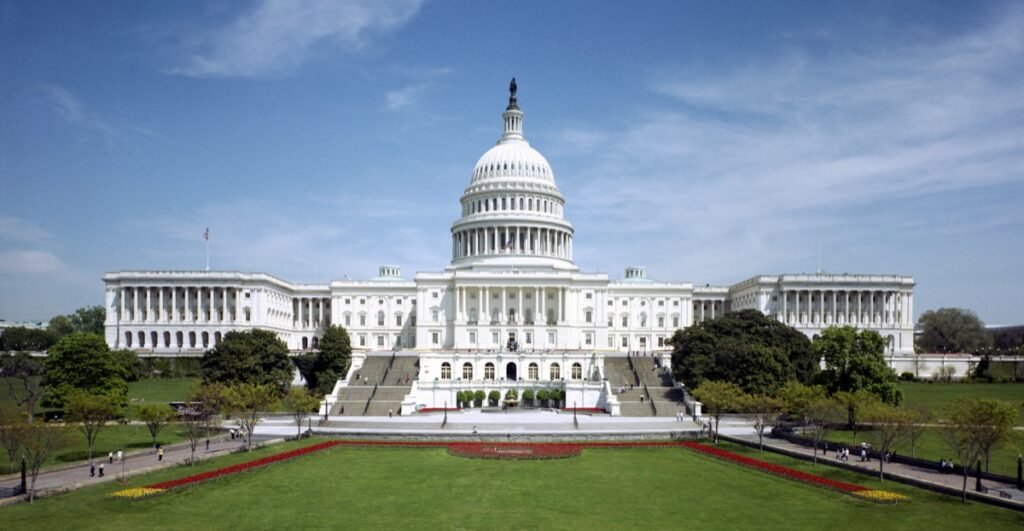
34 to 17. Remember that number. That is the vote that decided the fate of the entire hemp-derived THC industry, cast by the House Agriculture Committee last week, with zero amendments to delay or soften the November hemp ban. Thirty-four members of Congress voted to end a legal industry that Congress itself created in 2018. Seventeen voted to slow down. Nobody voted to actually listen to the farmers, small retailers, or adult consumers who built the market under the rules Congress wrote.
What The Vote Actually Did
Multiple amendments were on the table. Some would have pushed the effective date back by a year to give businesses time to adapt. Others would have raised the 0.4mg total-THC-per-container cap to something closer to what is actually on shelves. Every single one of those amendments was rejected.
The bill as it stands caps total THC at 0.4 milligrams per finished container. Most hemp-derived edibles and beverages on the market today contain somewhere between 2.5 and 10 milligrams per serving. That math is not close. It is not something you adjust your formulation around. At 0.4mg you are selling product that does not do anything — which means you are not selling it at all.
“This vote tells you everything about who Congress actually listens to. The hemp industry brought real data, real jobs, real farms. They still got outvoted 2-to-1 by a committee that did not spend five minutes with the people they are about to put out of business.” — Matt, Divine Tribe
What Happens November 12
Once the bill becomes law, every delta-8, delta-9 hemp edible, every THC seltzer, every gummy, every tincture above 0.4mg per container becomes federally unlawful. Retailers pull them. Manufacturers shut down lines. Distributors sit on inventory they cannot legally move. Farmers who planted hemp crops for the 2026 season watch their contracts dissolve.
Some operators will try to pivot to compliant formulations. Good luck selling a 0.4mg gummy to an adult consumer. Others will fold. A few will try to survive on state-level cannabis licenses, but those are expensive, slow, and not an option in most of the country.
States Are Piling On
While the federal ban sets the ceiling, states are moving faster than the feds. Texas banned THCA flower as of March 31. Ohio’s Senate Bill 56 took effect March 20 and banned all intoxicating hemp products, including THC and CBD beverages. Pennsylvania’s Senate Bill 49 is linking hemp restrictions to adult-use legalization — wedging the two bills together so anti-hemp legislators can claim a win either way.
The pattern is obvious. States that never liked hemp loopholes are closing them. States that did benefit from hemp commerce are realigning with the coming federal standard so their regulated cannabis industry does not have to compete with cheaper hemp-derived products once the federal ban kicks in.
The Rescheduling Head-Fake
President Trump issued an executive order directing his administration to accelerate federal cannabis rescheduling. That sounds like good news until you read the fine print. Rescheduling still has to clear the Department of Justice and the Drug Enforcement Administration. There is no timeline. There is no guaranteed outcome. And even if cannabis moves from Schedule I to Schedule III, that does not legalize recreational use or save the hemp industry from the November ban. It helps medical cannabis companies with their taxes. It does not help the hemp farmer in Kentucky.
“Everyone pointing at the rescheduling headline as if it cancels the hemp ban is missing the point. Schedule III cannabis and intoxicating hemp are two different legal tracks. One is moving forward slowly. The other is getting shut down in seven months. Both things are true at once.” — Matt, Divine Tribe
What Consumers Should Do
First, stop assuming your favorite products will be there in November. They will not. Stock up within reason on the hemp edibles and beverages you actually use, keeping in mind the shelf life on most of these products is a year or less.
Second, get familiar with your state’s cannabis laws. If you live somewhere with adult-use or even decent medical access, the shift from hemp to regulated cannabis will be annoying but survivable. If you live in a prohibition state that relied on hemp for legal access, November is going to feel like a light switch turning off.
Third, call your representatives. The bill still has to pass the full House and the Senate. Individual amendments can still be introduced on the floor. It is a long shot, but it is not over yet.
What Businesses Should Do
If you sell hemp-derived THC products, you have seven months. Use them. Clear inventory. Contact your state cannabis regulator about licensing if it is viable. Diversify into CBD, functional mushrooms, or other compliant wellness categories that do not depend on intoxicating cannabinoids.
If you are a farmer with a 2026 hemp contract, read the force majeure clause. If the product cannot legally enter commerce, the contract may be voidable.
This is not the end of cannabis. Adult-use markets keep expanding. Medical access keeps improving. The regulated industry is not going anywhere. But the specific loophole that let hemp-derived THC products reach consumers in all fifty states — that is closing. Plan accordingly.
References
- Marijuana Moment — Congressional researchers update on rescheduling and hemp ban
- Frier Levitt — Federal redefinition of hemp and 2026 compliance risks
- Fox Rothschild — The 2026 Extensions Act and hemp
- SoRSE Technologies — Hemp and cannabis regulatory roundup, April 2026
- PrestoDoctor — 2026 cannabis laws explained