
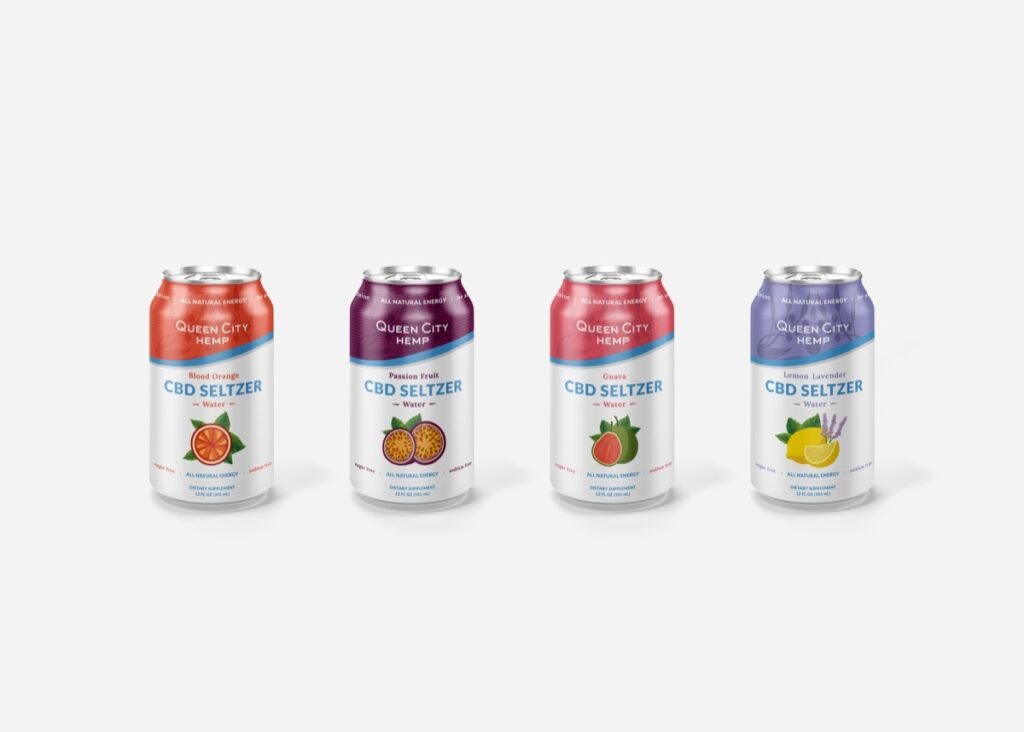
Picture the breakthrough moment cannabis has been waiting on for three decades. Not a dispensary. Not a medical card. Not a state referendum. A can. Specifically, a cold can of THC-infused seltzer, cracked open at a backyard cookout, shared with friends who do not smoke and do not want to. Sessionable, social, predictable, no hangover. That was the moment. And Ohio just made it illegal.
Ohio Senate Bill 56
Ohio’s SB 56 took effect on March 20, 2026. The bill bans all intoxicating hemp products statewide, and unlike some of the half-measures other states have passed, Ohio explicitly includes THC and CBD beverages in the ban. No carve-out for low-dose drinks. No grace period for existing inventory. No distinction between products sold at the liquor store and products sold at the gas station.
Ohio did legalize adult-use cannabis in 2023. In theory, consumers can still buy THC-infused drinks from state-licensed dispensaries. In practice, the price is 3 to 4 times higher, the selection is smaller, and the social-beverage category that hemp drinks were building in grocery stores, bars, and restaurants just got nuked.
“This is the exact move the alcohol industry has been begging for. THC seltzers were starting to show up in liquor stores and restaurant menus. Adults who wanted to relax without drinking finally had an option on the shelf next to the La Croix. Ohio killed that option in one vote.” — Matt, Divine Tribe
Why Beverages Mattered
Cannabis has an image problem with a lot of consumers. Smoking is out of bounds for some people, vaping feels awkward in social settings, edibles are unpredictable with dosing. Beverages solved all of that. Predictable milligrams per can. Socially acceptable. Same rituals as alcohol — you crack one at a barbecue, at a concert, after work with friends. No judgment, no lingering smell.
The hemp-derived beverage industry was on pace to hit $1 billion in annual sales by 2027. Brands like Cann, Wynk, and a long list of regional craft producers were building real distribution. Restaurants were adding them to menus. Liquor distributors were picking them up. It was cannabis actually going mainstream, for the first time, in a way that did not scare anybody.
Ohio’s ban is a warning shot. If this category is not safe in Ohio, it is not safe anywhere the alcohol lobby has influence, which is basically every state. Pennsylvania’s Senate Bill 49 takes the same approach. The November federal hemp ban will do it nationally.
The Alcohol Angle
This is not speculation. The beer industry has been losing market share to cannabis for three years running. Every survey of Gen Z drinkers shows them moving to cannabis and psychedelics. The alcohol lobby has budget and lawmakers on speed dial. Cannabis does not, especially hemp-derived cannabis, which has no centralized lobbying because it is thousands of small farmers and makers.
When the playing field is lobby dollars, the outcome was never in doubt. The surprise is how fast they moved. Two years ago THC seltzers were a novelty. Last year they were a category. This year they are getting banned state by state before most consumers even tried one.
“Ohio is not protecting consumers from a dangerous product. Ohio is protecting alcohol tax revenue from a more popular competitor. That is the honest read, and anyone in the industry knows it.” — Matt, Divine Tribe
What Ohio Consumers Can Do
Adult-use cannabis is still legal in Ohio through licensed dispensaries. If you liked THC seltzers, look for the cannabis-licensed versions sold at dispensaries. Expect to pay more. Expect a smaller selection. Expect the product to be behind a dispensary counter rather than in a grocery aisle.
Pressure the legislature. Ohio lawmakers moved on SB 56 because they heard from the alcohol lobby and heard nothing from hemp consumers. That changes if voters actually call their state reps and say they want adult-dosed beverages available outside of dispensary gatekeeping.
What Comes Next
Expect a clone of SB 56 in several states this year. Pennsylvania already has Senate Bill 49 teed up. New York is working on similar language. The November federal hemp ban makes all of this moot at the national level.
For the THC beverage companies, the path forward runs through state cannabis licensure. That is an expensive, slow, state-by-state grind that favors well-capitalized operators and crushes the craft brands that made the category interesting. The big beer companies will end up buying the survivors.
This is how you kill a good idea. Let it grow under one set of rules, let consumers get excited, let small businesses scale, then change the rules and hand the remaining market to whoever has the biggest legal budget.