
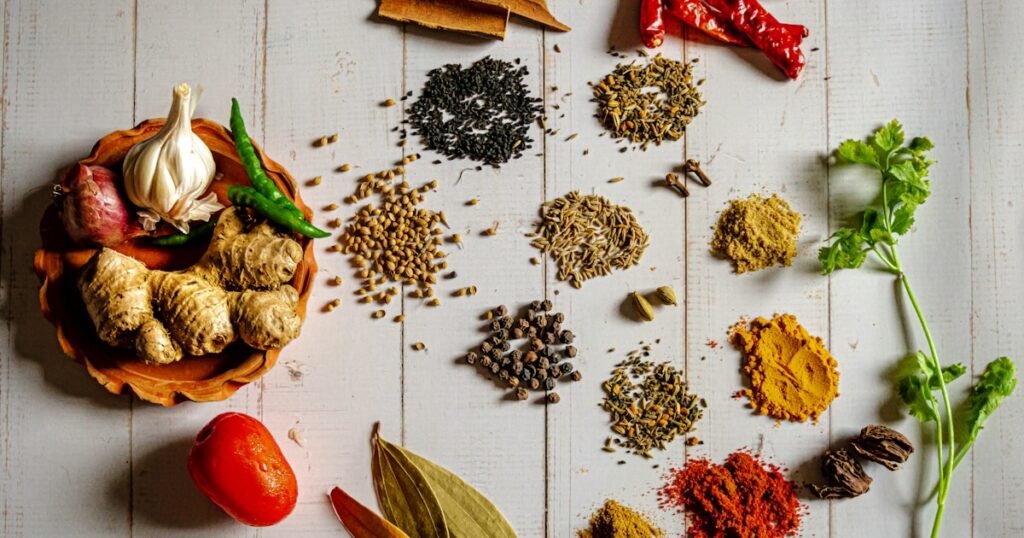
In 2008, a team led by Jürg Gertsch at the Swiss Federal Institute of Technology published a paper in the Proceedings of the National Academy of Sciences (PNAS) that should have rewritten how we think about spice racks, salad dressings, and cannabis. They demonstrated that beta-caryophyllene (BCP) — a terpene found in black pepper, cloves, rosemary, hops, and cannabis — selectively binds and activates the CB2 cannabinoid receptor. This made BCP the first known “dietary cannabinoid” and the only terpene confirmed to directly interact with the endocannabinoid system.
A Terpene That Acts Like a Cannabinoid
The endocannabinoid system has two primary receptors. CB1 receptors, concentrated in the brain and central nervous system, mediate the psychoactive effects of THC. CB2 receptors, found primarily in immune cells, the spleen, the gastrointestinal tract, and peripheral tissues, regulate inflammation, immune response, and pain signaling. When Gertsch’s team demonstrated that BCP selectively activates CB2 without touching CB1, the implications were enormous: here was a compound that could deliver anti-inflammatory, analgesic, and immune-modulating effects with zero psychoactive properties.
This means that grinding black pepper onto your dinner literally activates your endocannabinoid system. Every time you season food with cloves, rosemary, or oregano, you are consuming a functional cannabinoid. The compound is classified as “Generally Recognized as Safe” (GRAS) by the FDA and has been consumed by humans in food for millennia — making it arguably the safest cannabinoid receptor agonist known to science.
Anti-Inflammatory, Analgesic, Anxiolytic — Without the High
Since the 2008 PNAS paper, research on BCP has exploded. A 2014 study in the European Journal of Pain demonstrated that BCP significantly reduced inflammatory and neuropathic pain in animal models through CB2-dependent mechanisms. A 2020 systematic review in Cannabis and Cannabinoid Research cataloged BCP’s documented effects: anti-inflammatory, analgesic, anxiolytic, antidepressant, neuroprotective, nephroprotective, hepatoprotective, and gastroprotective. The breadth of this pharmacological profile reflects CB2’s widespread distribution throughout the body.
Particularly relevant for cannabis patients: a 2023 study from Israeli researchers demonstrated that BCP enhanced the anti-inflammatory effects of THC while reducing THC-related anxiety and cognitive impairment. The mechanism appears to involve BCP’s CB2 activation modulating the downstream inflammatory cascades triggered by CB1 activation — essentially, BCP helps the body process THC more therapeutically and less disruptively.
The Entourage Effect, Proven
BCP provides some of the most compelling evidence that the entourage effect is pharmacologically real rather than theoretical. When a cannabis strain is rich in both THC and beta-caryophyllene, two different receptor systems are being activated simultaneously: CB1 (by THC) and CB2 (by BCP). The combined anti-inflammatory effect exceeds what either compound produces alone. This is not additive — it is synergistic, meaning the whole is greater than the sum of the parts.
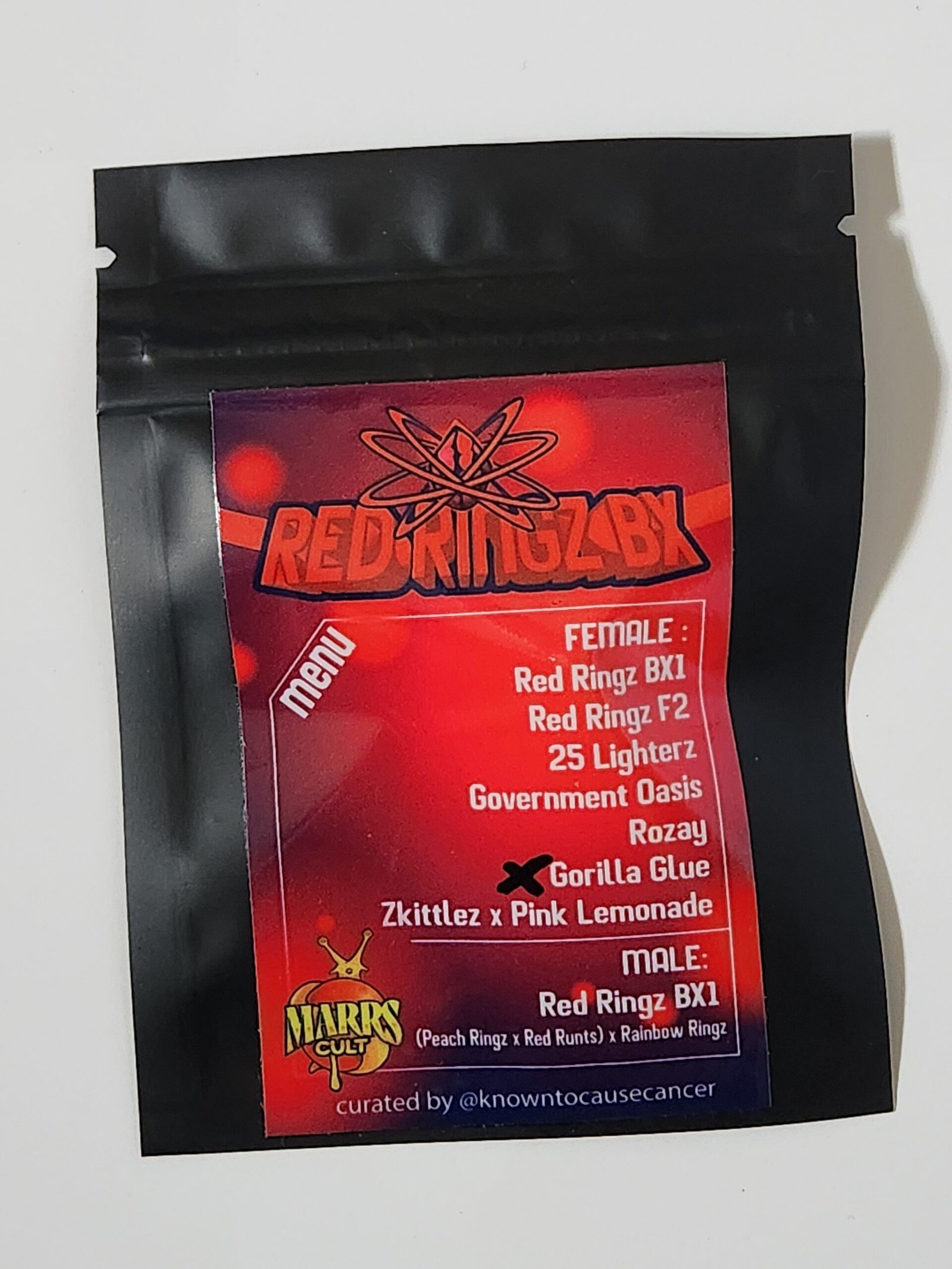
High-BCP strains include Girl Scout Cookies (GSC), Original Glue (GG4), Bubba Kush, Chemdog, and Death Star. These strains are frequently described by patients as providing exceptional pain relief and deep physical relaxation — effects consistent with robust CB2 activation alongside standard cannabinoid activity. But again: the strain name is a rough guide at best. Lab-verified BCP percentages are the only reliable measure.
What the Emerald Cup Data Shows
Data from years of Emerald Cup competition entries reveals a consistent pattern: winning entries — the strains that judges rated highest for overall effect, flavor, and medicinal value — consistently had higher total terpene content than the field average. Critically, winning entries did not correlate with higher THC percentages. The flowers that produced the best experiences were not the strongest — they were the most complex. Rich terpene profiles, including elevated BCP, were the distinguishing factor.
This is the data point that demolishes the THC-percentage arms race. Consumers have been conditioned to shop for the highest number on the label, and growers have responded by optimizing for THC at the expense of everything else. The result is a market flooded with high-potency, low-complexity flower that hits hard but offers a flat, one-dimensional experience. It is the cannabis equivalent of drinking grain alcohol instead of aged bourbon — more potent, but missing everything that makes the experience valuable.
The Numbers Cup: Why You Need the Full Profile
The Numbers Cup exists because this data matters. When every entry is tested for its complete terpene and cannabinoid profile, judges and patients can evaluate cannabis the way a sommelier evaluates wine — by complexity, balance, and synergy, not by alcohol content. A flower with 1.2% BCP, 0.6% myrcene, 0.4% limonene, and 19% THC may be profoundly more therapeutic and more enjoyable than a 32% THC monoculture with negligible terpenes.
Beta-caryophyllene is the proof of concept. A terpene that doubles as a cannabinoid. A dietary compound that activates a receptor system we did not even know existed until 1990. A spice cabinet ingredient that reduces inflammation through the same molecular pathway targeted by a Schedule I substance. If that does not argue for full laboratory analysis of every cannabis product on the market, nothing will.
Sources
- Gertsch, J. et al. (2008). “Beta-caryophyllene is a dietary cannabinoid.” Proceedings of the National Academy of Sciences, 105(26), 9099-9104. DOI: 10.1073/pnas.0803601105
- Klauke, A.L. et al. (2014). “The cannabinoid CB2 receptor-selective phytocannabinoid beta-caryophyllene exerts analgesic effects in mouse models.” European Journal of Pain, 18(1), 136-148. DOI: 10.1002/j.1532-2149.2013.00356.x
- Scandiffio, R. et al. (2020). “Protective Effects of (E)-β-Caryophyllene (BCP) in Chronic Inflammation.” Nutrients, 12(11), 3273. DOI: 10.3390/nu12113273
- Russo, E.B. (2011). “Taming THC.” British Journal of Pharmacology, 163(7), 1344-1364.
- Emerald Cup (2019-2023). Aggregate laboratory testing data from competition entries. theemeraldcup.com
- Fidyt, K. et al. (2016). “β-caryophyllene and β-caryophyllene oxide — natural compounds of anticancer and analgesic properties.” Cancer Medicine, 5(10), 3007-3017. DOI: 10.1002/cam4.816