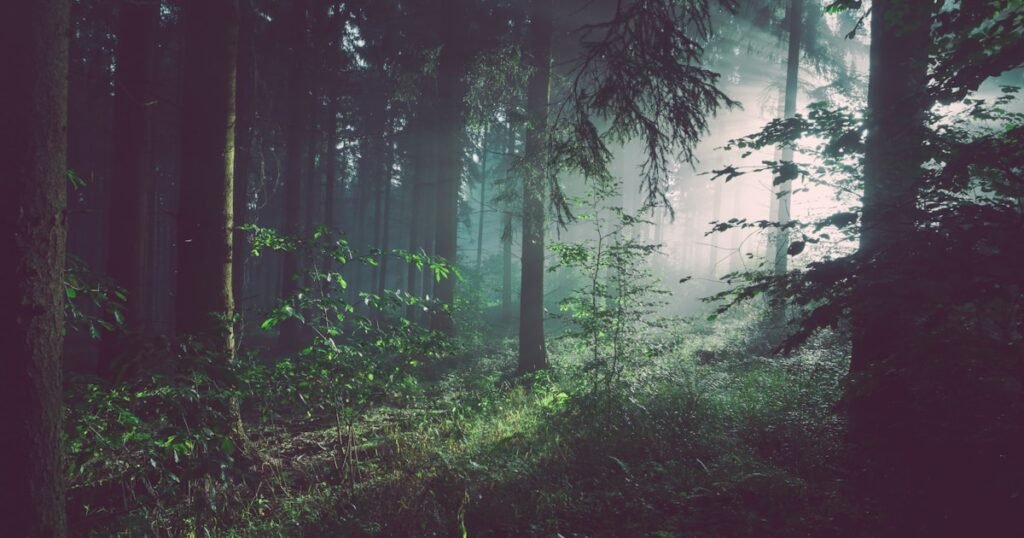
In Japan, they call it shinrin-yoku — forest bathing. It is not exercise. It is not hiking. It is the simple act of breathing forest air, and it has been prescribed by Japanese physicians since the 1980s as preventive medicine. Decades of peer-reviewed research now confirm what traditional cultures understood intuitively: the volatile organic compounds released by trees — called phytoncides — measurably strengthen the human immune system, reduce cortisol, and lower inflammation.
Here is the part that should stop every cannabis patient in their tracks: the two primary phytoncides in forest air are alpha-pinene and limonene. These are the exact same terpenes found in cannabis.
The Science of Forest Air
Dr. Qing Li, immunologist at Nippon Medical School in Tokyo, has spent over two decades measuring the physiological effects of forest bathing. His landmark studies demonstrate that a single three-day forest trip increases natural killer (NK) cell activity by 50 percent — and that this boost persists for more than 30 days after leaving the forest. NK cells are the body’s frontline defense against viruses and tumor cells. The mechanism? Phytoncides — specifically alpha-pinene, beta-pinene, and limonene — directly stimulate NK cell proliferation and enhance the production of intracellular anti-cancer proteins including perforin, granzyme A, and granzyme B.
Simultaneously, cortisol levels drop. Blood pressure decreases. Heart rate variability improves. Sympathetic nervous system activity — the “fight or flight” response — declines significantly while parasympathetic activity increases. The forest is literally switching your body from stress mode to healing mode, one breath at a time.
The Same Terpenes Are in Your Cannabis
Alpha-pinene is the single most abundant terpene in the natural world. It gives pine forests their distinctive smell, and it is a dominant terpene in strains like Blue Dream, Jack Herer, and OG Kush. Research published in Molecules (2019) confirms alpha-pinene exhibits bronchodilatory effects — it literally opens your airways — along with anti-inflammatory, antimicrobial, and neuroprotective properties. In cannabis, it may also counteract some of THC’s short-term memory impairment by inhibiting acetylcholinesterase.
Limonene, the citrus-scented terpene abundant in Super Lemon Haze and Tangie, received landmark validation in 2024 when Johns Hopkins University published results from the first controlled human trial examining terpene-cannabinoid interactions. The study, led by Dr. Tory Spindle and published in Drug and Alcohol Dependence, found that limonene significantly reduced self-reported anxiety caused by THC — without diminishing its therapeutic effects. Participants who inhaled THC combined with limonene reported feeling calmer and less paranoid than those receiving THC alone. This was the first rigorous human evidence that a single terpene could modulate the cannabis experience.
Vaporizing Cannabis at Low Temperature: Forest Bathing Plus Cannabinoids
When you vaporize cannabis at temperatures between 315°F and 385°F, you release terpenes before you combust plant material. At these temperatures, alpha-pinene (boiling point 311°F), limonene (349°F), and myrcene (334°F) all vaporize intact, delivering them directly into your lungs — precisely the same route of exposure that makes forest bathing effective. But unlike standing among pine trees, you are simultaneously receiving cannabinoids: THC, CBD, CBG, and dozens of minor compounds that interact with your endocannabinoid system.
This dual mechanism — terpene-mediated immune modulation plus cannabinoid receptor activation — is the foundation of what Dr. Ethan Russo described in his landmark 2011 paper “Taming THC: Potential Cannabis Synergy and Phytocannabinoid-Terpenoid Entourage Effects” published in the British Journal of Pharmacology. Russo systematically documented how specific terpene-cannabinoid combinations produce therapeutic effects that neither compound achieves alone. Pinene plus THC may treat respiratory conditions. Limonene plus CBD may be synergistically anti-depressant. Linalool plus CBG may be synergistically antimicrobial. The combinations are pharmacologically meaningful — not marketing fluff.
Full-Spectrum Beats Isolates — Every Time
This is why full-spectrum cannabis products consistently outperform isolates in clinical outcomes. A widely cited 2015 study from the Lautenberg Center for Immunology in Jerusalem demonstrated that whole-plant CBD extract was more effective than CBD isolate at every dose tested for anti-inflammatory effects — and unlike the isolate, it did not plateau at higher doses. The researchers attributed this directly to the entourage effect: the synergistic interaction of cannabinoids, terpenes, and flavonoids working together.
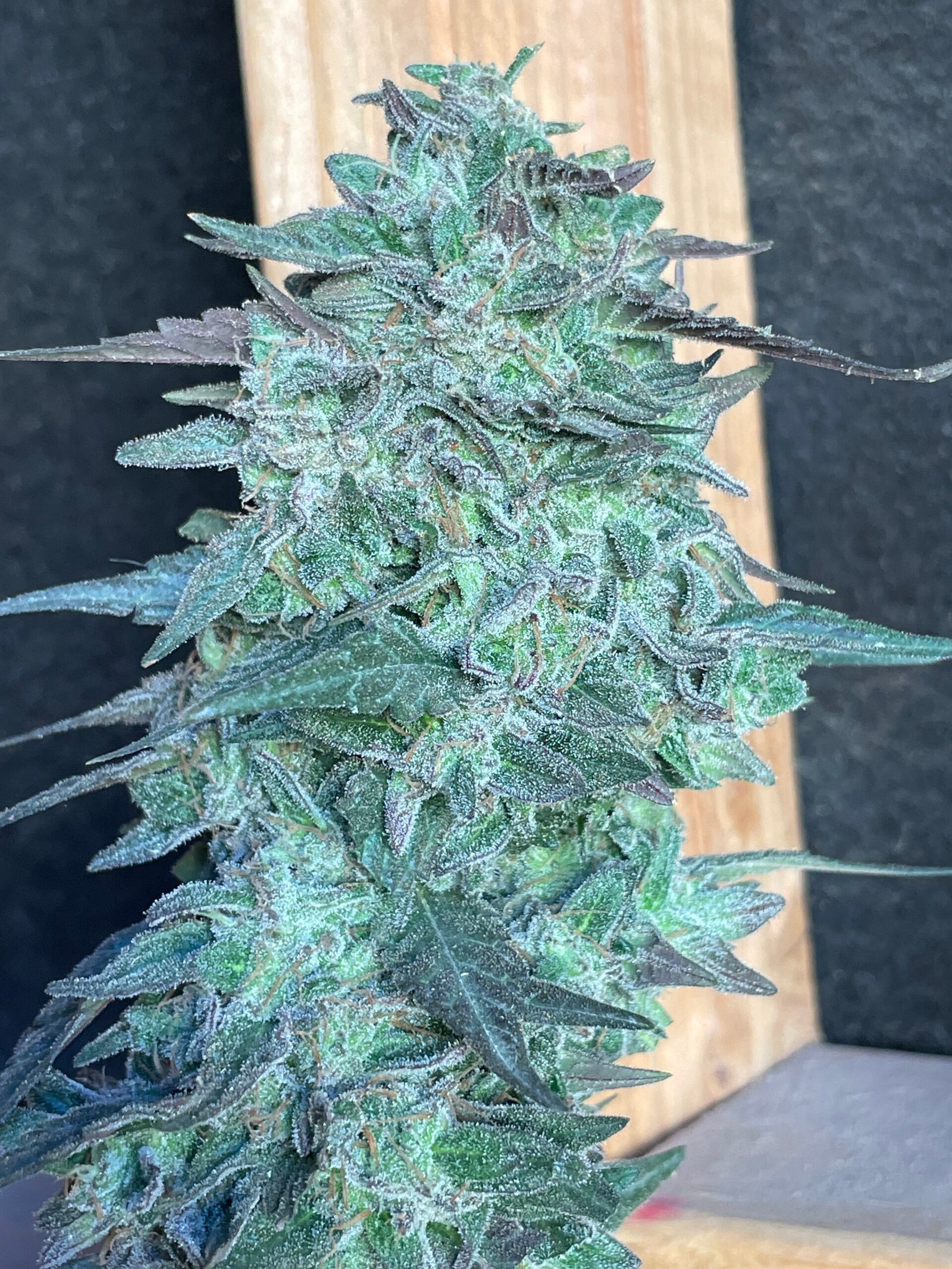
In Asian cultures, ginseng is believed to cure everything — a universal medicine that strengthens the body’s ability to heal itself. I believe cannabis is that plant for the West. But only if we stop reducing it to a single number. A strain testing at 30% THC with a flat terpene profile is not medicine. A strain at 18% THC with 2.5% total terpenes — rich in pinene, limonene, and linalool — may be profoundly therapeutic. The difference is invisible without lab data.
The Numbers Cup: Choosing Medicine by Terpene Profile
This is the core mission of the Numbers Cup. Every entry receives full laboratory analysis: complete terpene profiles, cannabinoid percentages, contaminant screening. Judges evaluate blind — no strain names, no brand hype, no bag appeal. Just numbers. The data allows patients to identify which specific terpene profiles provide them relief and then seek those profiles consistently. An anxiety patient who responds to high-limonene, moderate-linalool strains can find them. A chronic pain patient who benefits from beta-caryophyllene and myrcene can locate their medicine precisely.
Forest bathing works because evolution tuned our immune systems to respond to plant chemistry. Cannabis works for the same reason — our bodies have an entire receptor system built for these compounds. The science is not new. The understanding is. And it starts with reading the full lab report, not just the THC percentage.
Sources
- Li, Q. (2010). “Effect of forest bathing trips on human immune function.” Environmental Health and Preventive Medicine, 15(1), 9-17. DOI: 10.1007/s12199-008-0068-3
- Russo, E.B. (2011). “Taming THC: potential cannabis synergy and phytocannabinoid-terpenoid entourage effects.” British Journal of Pharmacology, 163(7), 1344-1364. DOI: 10.1111/j.1476-5381.2011.01238.x
- Spindle, T.R. et al. (2024). “Acute effects of cannabis with varying THC and terpene content.” Drug and Alcohol Dependence. Johns Hopkins University School of Medicine. PubMed
- Gallily, R., Yekhtin, Z., & Hanuš, L.O. (2015). “Overcoming the Bell-Shaped Dose-Response of Cannabidiol.” Lautenberg Center for Immunology, Hebrew University of Jerusalem.
- NORML (2024). “Limonene in Cannabis: Emerging Evidence for Anxiolytic Properties.” NORML.org
- Salehi, B. et al. (2019). “Therapeutic Potential of α- and β-Pinene.” Molecules, 24(6), 1062. DOI: 10.3390/molecules24061062