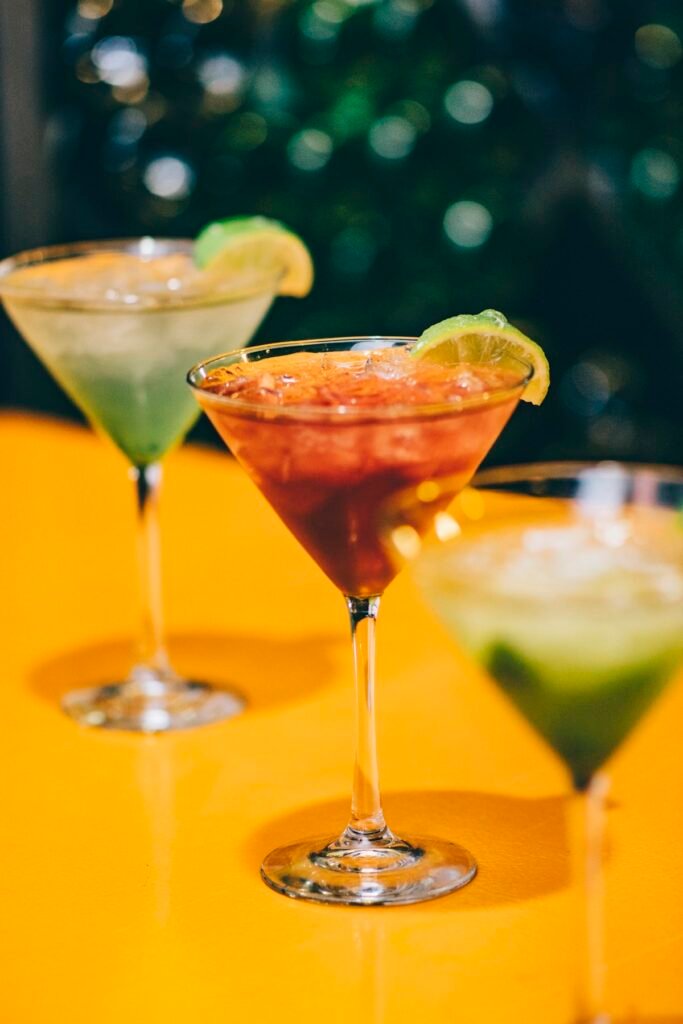
Walk into any dispensary in a legal state and you’ll notice something that wasn’t there two years ago: an entire refrigerator section dedicated to cannabis-infused beverages. Sparkling waters, craft sodas, hop-infused seltzers, even THC-infused “cocktails” — the cannabis drink revolution is here, and it’s growing faster than anyone predicted.
In 2026, cannabis beverages are the fastest-growing product category in the entire industry. And they’re not just attracting existing cannabis consumers — they’re pulling in millions of people who never thought they’d walk into a dispensary.
Why Drinks Are Taking Off Now
Cannabis drinks aren’t new. They’ve been around since the early days of legalization. But they were terrible — bad taste, unpredictable effects, and a two-hour wait to feel anything. The 2026 generation of cannabis beverages has solved every one of those problems.
The breakthrough is nanoemulsion technology. By breaking THC molecules into tiny, water-soluble particles, modern cannabis drinks hit in 10 to 15 minutes — similar to alcohol. They also wear off faster, typically within 60 to 90 minutes. That predictable onset and offset is what’s driving mainstream adoption.
The dosing has gotten smarter too. Most popular beverages contain just 2.5 to 5 milligrams of THC per serving — enough to feel relaxed and social without getting blasted. Compare that to a typical edible gummy at 10mg, and you can see why drinks appeal to casual consumers and newcomers.
The Alcohol Replacement Effect
Here’s the trend that’s making alcohol companies nervous: people are choosing cannabis drinks instead of beer and cocktails. Not in addition to — instead of.
The numbers back this up. A 2025 Gallup poll found that 35% of cannabis consumers reported reducing their alcohol consumption after trying THC beverages. Among adults under 35, that number jumped to 49%. The “sober curious” and “Cali sober” movements have created a massive market of people looking for a social buzz without the hangover, the calories, or the liver damage.
Bars and restaurants are taking notice. In states like Colorado, California, and Illinois, establishments with cannabis consumption licenses are starting to serve THC beverages alongside — or instead of — alcohol. It’s the beginning of a fundamental shift in social drinking culture.
The Products Leading the Market
The cannabis beverage market has segmented into several categories, each targeting different consumers:
- Sparkling waters and seltzers — The entry point for most new consumers. Low calorie, low dose, refreshing. Brands like Cann and Keef have dominated this space.
- Craft sodas and tonics — Higher-end options with complex flavors. Think ginger-turmeric tonic with 5mg THC or hibiscus-lime soda with a 1:1 THC:CBD ratio.
- Hop-infused non-alcoholic beers — For beer lovers who want the experience without the alcohol. Several craft breweries have launched THC-infused versions of their popular styles.
- Mixers and “spirits” — THC-infused liquids designed to be mixed like traditional cocktail ingredients. This allows bartenders and home mixologists to create cannabis cocktails.
- Functional beverages — Drinks combining THC or CBD with adaptogens, nootropics, or vitamins. Marketed for relaxation, focus, or sleep.
The Health Angle
One of the biggest drivers of the cannabis beverage trend is health consciousness. The wellness generation doesn’t want to poison their liver to relax on a Friday night. Cannabis drinks offer a compelling alternative:
- Zero hangover. Wake up the next morning feeling normal.
- Low or zero calories. Most cannabis seltzers have 10-30 calories per can.
- No liver damage. THC is processed differently than alcohol.
- Controllable dosing. Start with 2.5mg and see how you feel.
- Shorter duration. Effects last 60-90 minutes, not all night.
It’s not just younger consumers either. Adults over 50 are one of the fastest-growing demographics for low-dose cannabis beverages, often replacing their nightly glass of wine with a 5mg THC sparkling water.
Challenges Ahead
The cannabis beverage market isn’t without obstacles. The biggest challenge is the patchwork of state regulations. Each state has different rules about THC content, packaging, where beverages can be sold, and whether they can be consumed on-premises.
Interstate commerce remains illegal, which means a cannabis beverage brand in Colorado can’t ship to California. Every market requires separate licensing, manufacturing, and distribution — making national scale extremely difficult and expensive.
The upcoming federal hemp ban in November 2026 adds another layer of uncertainty. Many hemp-derived THC beverages have been sold across state lines under the 2018 Farm Bill’s hemp provisions. When the new regulations take effect, those products will need to comply with much stricter THC limits or move into state-licensed cannabis channels.
Despite these challenges, the trajectory is clear. Cannabis beverages are no longer a novelty — they’re becoming a mainstream consumer category. As regulations evolve and more states legalize, expect this market to continue its explosive growth.
The Bottom Line
Cannabis drinks represent everything the industry has been working toward: a normal, approachable, social product that doesn’t require rolling papers, a torch, or any specialized knowledge. You crack open a can, take a few sips, and 15 minutes later you’re in a good place.
For millions of Americans who are rethinking their relationship with alcohol, cannabis beverages aren’t just an alternative — they’re an upgrade. And in 2026, the rest of the world is starting to notice.
Explore more cannabis lifestyle content at Marijuana Union.