
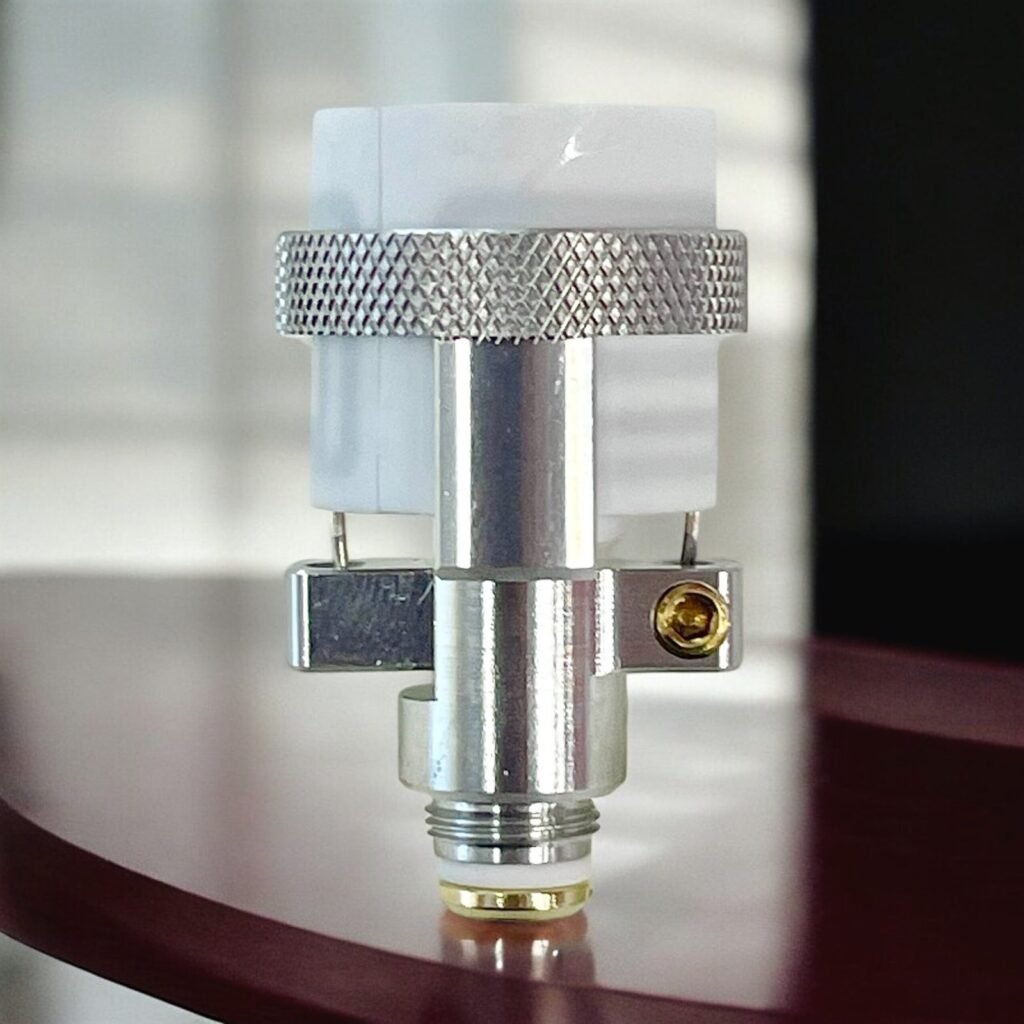
They call it premium. The honest word is recurring revenue. When a vaporizer company sells you an all-in-one device with an atomizer that dies on schedule and can only be replaced by them, you didn’t buy a tool. You signed up for a payment plan that nobody told you was a payment plan.
The hardware is just the enrollment fee.
The Oldest Trick in Manufacturing
This isn’t new, and it isn’t unique to vaping. It’s the razor-and-blades model: sell the handle cheap, make your money forever on the blades. Sell the printer at a loss, make it back on ink. The device is bait. The consumable is the business.
And when the consumable doesn’t die fast enough on its own, the industry has been known to help it along. The most documented case is the Phoebus cartel — in 1924, the world’s largest lightbulb makers secretly agreed to cap bulb lifespan at 1,000 hours, down from the 2,500 hours bulbs were already achieving, and fined each other for building bulbs that lasted too long.[1] That is the literal origin of “planned obsolescence,” and it was a conspiracy, not a theory.
A premium e-rig with a 90-day atomizer warranty and a $50 replacement part is the 1,000-hour lightbulb with Bluetooth.
Signs You Bought a Subscription, Not a Device
You can spot the model before you spend a dollar. Watch for:
- The atomizer is excluded from the warranty, or covered for a fraction of the device’s life.
- Only the manufacturer sells replacement parts — no aftermarket exists.
- Repairs mean shipping the unit back and waiting weeks.
- Third-party parts “void” your warranty (a threat that’s usually unenforceable[2]).
- The coil or atomizer dies every one to three months, right around the time you’ve stopped thinking about what it cost.
Hit four of those five and you’re not holding a vaporizer. You’re holding the front end of a subscription dressed up as hardware.
“Nobody would sign a contract that says ‘pay me $50 every two months forever.’ But sell them a $300 device that quietly does the same thing, and they’ll thank you for the premium experience.” — Matt, Divine Tribe
Do the Math They Don’t Want You to Do
The sticker price is the smallest number in the transaction. The number that matters is cost per year of ownership, and that’s the one no product page shows you.
Take a premium all-in-one rig at $330 with a proprietary atomizer that runs $50 and needs replacing every three months. Year one costs you $330 plus four atomizers — about $530. Year two, with no device to buy, still costs you $200 in atomizers. Over three years you’re past $900, and you never owned a single repairable part.
Now run a rebuildable device. The cup that wears out is ceramic and costs $10 to $15. Replace it on the same aggressive schedule and your consumable cost is $40 to $60 a year — not $200. The battery, the body, and the electronics keep going. Three years in, you’ve spent a fraction of the all-in-one number and the device still works the day you decide to sell it.
“Premium” Should Describe the Device, Not the Markup
Real premium means a device that respects your investment — one built so the expensive parts outlive the cheap ones, and the cheap ones are cheap to replace. A heater that lasts years on $10 cups is premium. An all-in-one unit engineered so the whole thing is garbage when one part fails is the opposite of premium, no matter what the marketing budget says.
The enthusiast community figured this out years ago and built the alternative without waiting for permission:
- Rebuildable atomizers — swap a $10 ceramic cup, not a $50 cartridge.
- Standard 510 threading — your device works with parts from the whole industry, not one company’s catalog.
- Full temperature control — you set the temp, not an app that decides for you.
- Open community knowledge — years of shared settings and builds, free, at r/DivineTribeVaporizers.
“I’d rather sell you one heater that lasts three years than three heaters that each last one. It’s worse for a spreadsheet and better for a customer — and I’d rather have the customer.” — Matt, Divine Tribe
The Bottom Line
Before you buy any e-rig, ask the subscription question out loud: what does this cost me per year, not per checkout? Find out the price of the part that wears out, how often it dies, and whether anyone but the manufacturer is allowed to sell it. If the answers add up to a recurring bill you didn’t agree to, you’ve found the subscription — and you can choose not to subscribe.
References
- Krajewski, “The Great Lightbulb Conspiracy,” IEEE Spectrum, 2014 — documents the Phoebus cartel’s 1924 agreement to limit bulb life to 1,000 hours.
- Federal Trade Commission, “FTC Staff Warns Companies that It Is Illegal to Condition Warranty Coverage on the Use of Specified Parts or Services,” April 10, 2018; Magnuson-Moss Warranty Act, 15 U.S.C. §2302(c).